
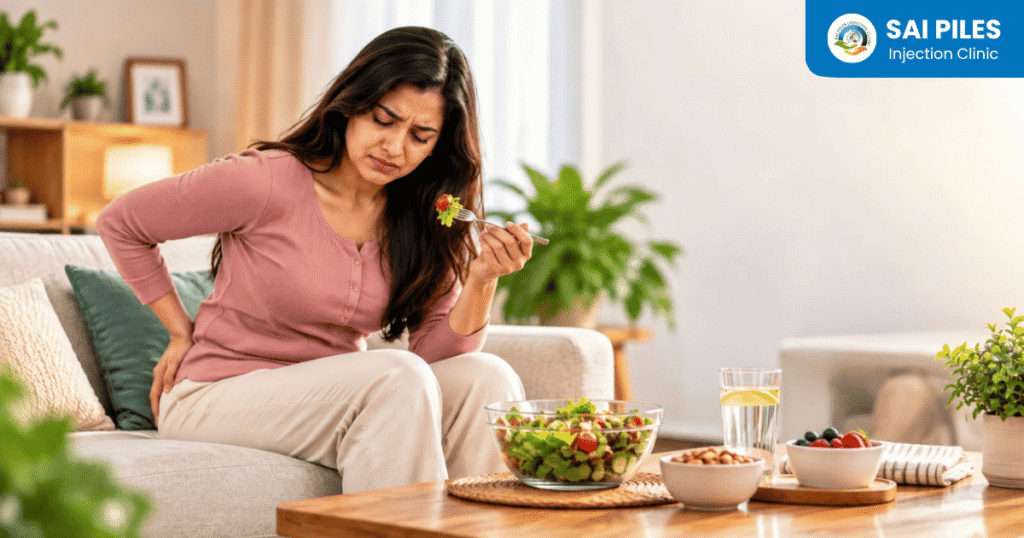
Piles can make everyday activities such as sitting, walking, and using the toilet uncomfortable. The good news is that mild symptoms may often be managed with simple changes to your daily routine.
Home remedies for piles can help relieve symptoms such as itching, swelling, discomfort, pain, and/or bleeding around the anus. Piles (also known as hemorrhoids) can be embarrassing to talk about, but minor symptoms are often easily managed at home.
The aim of home treatment is not only to relieve symptoms such as itching, but also to make bowel movements easier, reduce straining and the risk of constipation, and prevent irritants and additional pressure on the veins around the anus.
Simple measures such as increasing your fiber content, drinking plenty of fluids, exercising, not sitting on the toilet for too long, and keeping your anal region clean and dry may help relieve symptoms.
However, home treatment is not a substitute for a proper doctor’s evaluation. Persistent bleeding, severe pain, a sudden and painful lump, or recurring symptoms may require medical treatment.
Home remedies for piles are generally focused on making bowel movements easier, reducing straining, and relieving mild symptoms.
Can Home Remedies for Piles Help?
Mild hemorrhoid symptoms can often be controlled and improved at home by
making changes in your diet, bowel habits, and lifestyle.
Home treatment can often be used for symptoms such as:
- Mild itching
- Minor swelling
- Discomfort around the anus
- Straining due to constipation
- Mild pain
- Difficulty passing hard stools
The aim of home treatment is to reduce strain on the hemorrhoidal veins.
Avoiding straining and keeping stools soft will generally reduce
hemorrhoidal pressure.
It is therefore essential to avoid straining during bowel movements, make
sure you eat enough fiber and stay well-hydrated, and not to sit on the
toilet for long periods of time.
Making dietary and lifestyle changes is generally the best line of defense
against symptomatic hemorrhoids.
1. Increase Your Fiber Intake
Increasing fiber is an important part of home remedies for piles because it can make stools softer and easier to pass.
A high-fiber diet can also help reduce constipation and the need to strain during bowel movements.
Good sources of fiber include:
Fruits
Vegetables
Whole grains
Oats
Beans
Lentils
Chickpeas
Nuts and seeds
If you are not used to a high-fiber diet, do not try to dramatically increase your fiber intake. This can lead to bloating and gas pains.
Here are some fiber-rich, healthy fruits to add to your diet include:
- Guava
- Muskmelon
- Watermelon
- Papaya
- Apples (with the skin)
- Oranges
- Berries
- Prunes
The point of eating fiber-rich fruits is to improve your overall fiber intake, not to look for one magical fruit that will cure your hemorrhoids.
Increasing fiber is one of the most useful parts of home remedies for piles because it can help make stools softer and easier to pass.
2. Drink Enough Fluids
Drinking enough fluids can help support a high-fiber diet and keep your stools soft, which may reduce the need for straining during bowel movements.
Aim to drink enough fluids throughout the day to support your body’s natural functions. Rather than waiting until you feel severely dehydrated, make a habit of drinking water regularly throughout the day.
The amount of fluid your body needs can vary depending on your health, lifestyle, activity level, and diet. If you have a chronic health condition that affects how much fluid you should consume, speak with your doctor to determine the right amount for you.
3. Do Not Strain During Bowel Movements
Straining during bowel movements is one of the habits you should actively try to avoid if you have hemorrhoids or suspect that you may have them.
Straining puts extra pressure on the veins in the anal region, which can aggravate hemorrhoids and contribute to symptoms such as discomfort, pain, and bleeding.
Instead of straining during a bowel movement, try to:
Go when you feel the urge to have a bowel movement.
Avoid forcing yourself to have a bowel movement when you do not feel the need.
Relax and allow your body to have a bowel movement naturally.
Eat enough fiber to help prevent hard stools and reduce the need to strain.
Drink enough fluids to help keep your stools soft.
Do not ignore the urge to have a bowel movement.
The fewer reasons you have to strain during a bowel movement, the less pressure you place on the hemorrhoidal veins.
4. Do Not Sit on the Toilet for Too Long
Sitting on the toilet for too long can put unnecessary pressure on the anal region and may aggravate hemorrhoid symptoms.
Avoid the temptation to use the toilet as a place to browse social media, read the newspaper, or do other activities that keep you sitting longer than necessary.
Instead, go to the toilet when you feel the need and avoid staying longer than necessary.
Limiting the time spent sitting on the toilet and avoiding unnecessary straining are helpful bowel habits for people experiencing symptomatic hemorrhoids.
5. Take a Warm Sitz Bath
A warm sitz bath can help relieve discomfort, itching, and pain associated with hemorrhoids.
A sitz bath involves sitting in warm water with the anal region gently immersed. You can take a sitz bath in a clean bathtub filled with warm water or use a specially designed sitz-bath basin.
Make sure the water is comfortably warm and not too hot. A warm sitz bath can be particularly soothing when the anal region feels sore or uncomfortable.
The NHS recommends sitting in a warm bath several times a day to help relieve hemorrhoidal pain and discomfort.
Avoid adding perfumes, harsh chemicals, or other potential irritants to the bath, as these may worsen irritation.
6. Keep the Anal Area Clean and Dry
Keeping the anal area clean and dry can help relieve pain, itching, and irritation associated with hemorrhoids.
Wash the area gently after each bowel movement and try to avoid:
- Scrubbing the area
- Excessive wiping
- Rubbing the area aggressively
- Using heavily perfumed or fragranced products
Gentle cleaning followed by carefully patting the area dry is preferable to aggressive wiping.
Keeping the anal area clean and dry can help reduce irritation and prevent the skin around the hemorrhoids from becoming further irritated. Excessive wiping can irritate the sensitive skin and may contribute to additional hemorrhoid symptoms.
7. Use a Cold Pack for Temporary Discomfort
If your anal region feels particularly swollen or uncomfortable, you can try using a cold pack wrapped in a clean towel to temporarily relieve discomfort.
Do not apply a cold pack or ice pack directly to your skin, as this may cause skin irritation or injury. Avoid leaving it in one place for too long.
The aim of using a cold pack is to provide temporary relief from swelling and discomfort, not to treat the underlying cause of hemorrhoids.
The NHS recommends using a wrapped ice pack as a measure to temporarily relieve hemorrhoidal discomfort.
8. Stay Physically Active
Staying physically active can help support your overall health and may also have a positive effect on your bowel movements.
Exercise does not have to be particularly strenuous. Simple activities such as walking or jogging can help support regular bowel movements and reduce the risk of constipation, which can contribute to hemorrhoid symptoms.
Some activities you could try include:
- Walking
- Jogging
- Cycling
- Swimming
- Gentle stretching
If a particular form of exercise seems to aggravate your hemorrhoid symptoms, stop the activity and speak with your doctor for guidance.
Regular physical activity can support your overall health, promote healthy bowel habits, and help reduce factors that may contribute to hemorrhoid symptoms.
9. Avoid Regular Heavy Lifting
Lifting heavy objects can put extra pressure on the lower body, especially when you strain or hold your breath while lifting.
If you notice that your hemorrhoid symptoms become worse when you regularly lift heavy objects, try to reduce heavy lifting and avoid putting unnecessary pressure on your lower body.
You do not have to stop physical activity altogether. However, it is advisable to avoid heavy lifting if it aggravates your hemorrhoid symptoms.
The NHS also identifies regular heavy lifting as a potential risk factor associated with hemorrhoids.
10. Manage Constipation Properly
Constipation and hemorrhoids often occur together. Hard, dry stools can be difficult to pass, which may lead to straining and worsen hemorrhoid symptoms.
If you experience constipation, it is important to take steps to manage it effectively. Managing constipation is a critical part of home care, as preventing hard stools can help reduce strain on swollen veins.
Managing constipation can include:
Eating a high-fiber diet
Drinking enough fluids
Exercising regularly
Responding to the urge to have a bowel movement
Avoiding prolonged sitting on the toilet
Avoiding straining during bowel movements
If your constipation persists despite making these lifestyle changes, speak with a doctor. They can advise whether fiber supplements, stool softeners, or other treatments may be appropriate for you.
Managing constipation is a critical part of home care, as preventing hard stools can help reduce strain on swollen veins.
11. Can Over-the-Counter Treatment Help?
Hemorrhoid creams, ointments, and suppositories can sometimes provide temporary relief from symptoms such as itching, discomfort, and swelling.
Different over-the-counter (OTC) treatments contain different active ingredients, and not every treatment is suitable for everyone.
OTC hemorrhoid treatments are generally intended for short-term use. The NHS recommends speaking with a doctor if your symptoms do not improve after about a week of treatment or if the treatment causes side effects such as a rash or dry skin.
Speak with a pharmacist or doctor before using any OTC hemorrhoid treatment, particularly if you are pregnant or taking other medications.
12. What Should You Avoid When You Have Piles?
Some common activities and habits can aggravate hemorrhoids and increase discomfort. When you have hemorrhoids, try to avoid the following:
- Straining during bowel movements
- Sitting on the toilet for long periods of time
- Ignoring the urge to have a bowel movement
- Excessive wiping
- Scratching the anal region
- Consistently following a low-fiber diet
- Not drinking enough fluids
- Heavy lifting if it aggravates your hemorrhoid symptoms
Avoiding these habits can help reduce irritation and may lower the risk of worsening hemorrhoid symptoms.
13. A Simple Daily Routine for Piles
If you are looking for a simple daily routine for people with hemorrhoids, you could try the following. Following these habits consistently can make home remedies for piles easier to manage as part of your daily routine.
Morning: Drink plenty of fluids and have a high-fiber breakfast to support healthy bowel movements.
During the Day: Drink enough fluids and eat a balanced, healthy diet that includes vegetables, fruits, legumes, and whole grains. Stay physically active. Even a simple walk can help support regular bowel movements.
During a Bowel Movement: Go when you feel the urge to have a bowel movement. Avoid straining and do not sit on the toilet for longer than necessary.
After a Bowel Movement: Gently clean the anal area and avoid excessive wiping. Pat the area dry instead of rubbing it.
Evening: If you experience symptoms such as pain or irritation, a comfortably warm bath may provide temporary relief.
The most important part of managing hemorrhoids at home is consistency. Following a few simple, bowel-friendly habits as part of your daily routine is more helpful than only adopting them when you are experiencing discomfort.
How Long Do Home Remedies for Piles Take to Help?
The time it takes for home remedies to help can vary significantly depending on the severity and underlying cause of your hemorrhoids.
Some people may find that simple measures aimed at reducing discomfort and minimizing strain on the anal region are enough to improve their symptoms.
However, home treatment should not be used as a reason to ignore symptoms that persist, worsen, or keep coming back. If your symptoms do not improve or continue to recur, speak with a doctor for appropriate evaluation and treatment.
Although home remedies for piles can provide relief for mild symptoms, they should not replace medical evaluation when symptoms persist or become severe.
When Are Home Remedies Not Enough?
Home treatment is not always the best course of action. Speak to a doctor if:
- Bleeding persists or keeps coming back
- You experience severe anal pain
- You develop a painful lump
- You experience significant swelling
- Your symptoms do not improve with home treatment
- Your symptoms continue to return
- You are unsure whether your symptoms are actually caused by hemorrhoids
- You experience additional or unusual symptoms
Rectal bleeding should not automatically be assumed to be caused by hemorrhoids, as other medical conditions can also cause rectal bleeding. If you experience unexplained or persistent bleeding, seek medical evaluation to determine the underlying cause.
For more information about hemorrhoid symptoms, treatment, and when to seek medical care, visit the National Institute of Diabetes and Digestive and Kidney Diseases (NIDDK) .
Seek Medical Care Promptly for Severe Symptoms
Can Piles Go Away With Home Treatment?
Mild hemorrhoids can often be managed and controlled with appropriate home treatment. The main goal of home care is to reduce strain on the anal area. This includes keeping stools soft, eating a high-fiber diet, drinking enough fluids, avoiding straining during bowel movements, limiting the time spent sitting on the toilet, and maintaining good anal hygiene.
While these natural care methods may help manage mild symptoms, they may not be enough when symptoms are severe, persistent, or recurring. At-home treatments can help manage mild flare-ups, but persistent symptoms may require medical treatment. Understanding how lifestyle adjustments work can help you follow these measures consistently and manage mild symptoms effectively.
However, not all bumps, swelling, or episodes of bleeding are caused by hemorrhoids. If your symptoms are persistent, recurring, or severe, it is important to see a doctor for an evaluation and to rule out other potential causes.
Conclusion
Home treatment and home remedies can help manage mild hemorrhoid symptoms.
The most important aspects of hemorrhoid home care are improving bowel habits, gradually increasing your fiber intake, eating a balanced and healthy diet, drinking enough fluids, avoiding straining during bowel movements, and limiting the time spent sitting on the toilet.
Warm baths may help relieve hemorrhoid-related discomfort, and over-the-counter (OTC) treatments may provide temporary relief in some cases.
However, home treatment should not be used as a reason to ignore symptoms that are persistent, severe, or keep coming back. If your symptoms do not improve or continue to recur, speak with a doctor for appropriate evaluation and treatment.
Home remedies for piles can be useful for managing mild symptoms when combined with healthy bowel and toilet habits.
Frequently Asked Questions
High-fiber fruits can be helpful for people with piles because they can increase overall fiber intake and help reduce the risk of constipation. Examples include guava, papaya, muskmelon, watermelon, pears, apples with the skin, oranges, berries, and prunes.
Drinking enough fluids can help keep stools soft and easier to pass. This can reduce the need to strain during bowel movements and may help manage hemorrhoid symptoms.
Mild hemorrhoids can often improve with appropriate home care and lifestyle changes. However, severe, persistent, or recurring symptoms should be evaluated by a doctor.
Yes. Hemorrhoids can cause itching around the anal region. However, anal itching can also have other causes, so persistent itching should be evaluated by a doctor.
Yes, regular physical activity like walking or gentle stretching helps support healthy bowel movements and prevents constipation. However, you should avoid overly strenuous exercises or heavy lifting that put excessive pressure on your lower body and worsen symptoms.
You should stop relying solely on home treatments and consult a doctor if your symptoms do not improve after a week of consistent care. Seek immediate medical attention if you experience severe pain, persistent bleeding, a painful lump, or signs of infection.
Over-the-counter creams and ointments can provide temporary relief from itching, swelling, and discomfort when used short-term. It is best to consult a pharmacist or doctor before starting any treatment, especially if you are pregnant or have persistent symptoms.
Still Experiencing Pain or Discomfort Despite Home Remedies?
Home care helps with mild symptoms, but persistent piles require expert evaluation. At Sai Piles Injection Clinic, we offer 100% ayurvedic, non-surgical injection treatment with no operations or hospital stay required.